Why does my AC smell musty? Because water is sitting somewhere in the system instead of draining away, usually on the evaporator coil, in the drain pan and condensate line underneath it, or in a filter that has got wet. Trane is blunt about it: a musty AC means "you have a moisture issue". Damp is where mould and mildew grow, but the smell on its own doesn't prove there's mould. Rotten eggs, burning or chemical smells are a different problem; read the next section first.
Smells that aren't musty
Rotten eggs
That's natural gas, not the air conditioner. ATCO describes the smell as "similar to rotten eggs". Your AC doesn't burn gas, but the furnace it shares a blower and ductwork with may. ATCO's instruction is to leave the area immediately. Don't use phones, light switches or appliances inside. Once you're out, or from a neighbour's house, call ATCO's emergency line at 1-800-511-3447 or 911. For the furnace side, see why a furnace can smell of gas.
Burning or electrical
A burning-plastic or electrical smell is not a moisture problem. Bryant advises shutting the system down if you can do that safely and getting an HVAC technician in; with smoke or fire, get out and call emergency services. For an electrical burning smell, the Trane blog says to shut it down and phone the fire department. See our guide to a furnace that smells like burning plastic.
Chemical or sweet
Bryant is careful here: "A chemical smell by itself is not a reliable way to identify a refrigerant leak." It's a technician call either way; leave the refrigerant lines and fittings alone. If cooling has dropped off as well, our list of signs of air conditioner problems will help you narrow it down.
Where a musty smell from your AC comes from
Natural Resources Canada (NRCan) explains how a central system works: house air is cooled and dehumidified as it crosses the indoor coil, and the water it gives up collects in a pan and runs to the house drain. Any spot along that path that holds water instead of passing it on can start to smell.
The evaporator coil
Carrier says "dirt, mold, and bacteria can accumulate on the coils, leading to musty smells", and the US EPA says cooling coils can be a major source of moisture contamination in the system. The coil sits sealed in a cabinet, usually on top of the furnace, so it isn't something to open up and inspect. Trane treats coil cleaning as professional work. If the coil is icing rather than smelling, that's a frozen evaporator coil.
The drain pan and condensate line
Trane notes that standing water is where mould and mildew grow. The EPA says the condensate pan should drain properly and slope toward the drain so water doesn't sit in it. When the condensate line clogs, Carrier says the stagnant water can give off a smell, and Lennox advises making sure both the pan and the line drain freely. Trane recommends a professional to clear a blocked drain line.
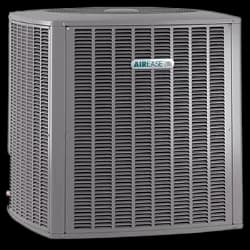
If water is spilling over the pan, AirEase points to the overflow switch, which "is likely not functioning", and its advice is to switch the AC off and get in touch with a dealer. That situation has its own article: why an AC drip pan overflows.
The filter
"Your air filter should never be wet," Trane says. Bryant adds that a clogged filter traps moisture. Replace a wet filter, but treat it as a clue: water is reaching somewhere it shouldn't, and a new filter only fixes the filter.
The ductwork
Trane says leaky ductwork can let humid air into the system. Cleaning the ducts won't seal a leak or dry up a wet coil, and the EPA states that it "does not recommend that the air ducts be cleaned routinely".
A humidifier on the furnace
Some furnaces have a humidifier mounted on the ductwork. Health Canada says that if odours appear when a fan-driven heating or cooling system starts up, check the accessible "filters and humidifiers". If you have one, it's another water source to rule out.
Musty only when the AC first comes on?
According to Trane, a musty smell the first time you switch to Cool for the season may clear in "a day or two". If it hangs on longer, turn the system off and find out why. In Calgary the AC sits unused most of the year, so pay attention to that first run of the season.
Does a musty smell mean mould?
It's a reason to check, not proof. Lennox says a damp, musty smell when the AC turns on "is often the first noticeable sign of mold", and often isn't always. The EPA is clear that "a positive determination of whether it is mold or not can be made only by an expert."
Health Canada's guidance on moisture and mould mentions "musty/earthy odours" and makes some useful points:
- It "does not recommend testing the air for mould". Finding and fixing the moisture matters more.
- Mould can grow on wet materials "within 48 hours".
- Cleaned-up mould comes back unless the moisture source is fixed.
- Indoor relative humidity is best kept between 30 and 50 per cent.
- Large areas of mould need a qualified professional.
What you can safely check
- The filter. Swap it for a new one if it's wet or grey with dust, using the dimensions stamped on the old frame. NRCan says to follow your owner's manual for how often.
- Around the furnace. Look for water, drips or staining on the floor and below the coil cabinet. Don't take panels off to look inside.
- Registers and returns. Keep supply registers and return grilles clear of furniture, rugs and drapes, as Trane and NRCan both advise.
- The fan setting. Leave it on Auto, not On. As NRCan puts it, "Continuous fan operation also reduces dehumidification." If the house feels clammy as well as smelling musty, see why your AC can feel humid.
- A furnace humidifier, if you have one, checked the way its own manual describes.
Leave the rest alone. Don't open the coil cabinet, don't pour bleach, vinegar or cleaners into the drain line or onto the coil, and don't touch the refrigerant lines or wiring.
When to call
- The smell is still there after a new filter and the day or two Trane allows. Bryant says a persistent musty smell is one for a professional.
- There's standing water in the pan, the pan is overflowing, or water is reaching the floor.
- You can see mould inside the unit or the ductwork, or it comes back quickly after cleaning; Lennox says either one calls for a professional.
- The musty smell comes with weak cooling.
NRCan also recommends having the system serviced once a year before the cooling season starts.
Call 587-834-3668 and we'll check the filter, evaporator coil and condensate drain and price any repair before work starts. That's covered under our air conditioning repair page. We dispatch from both Calgary and Airdrie. If you're in Airdrie, start at AC repair in Airdrie. Call and we'll tell you honestly when we can get there.