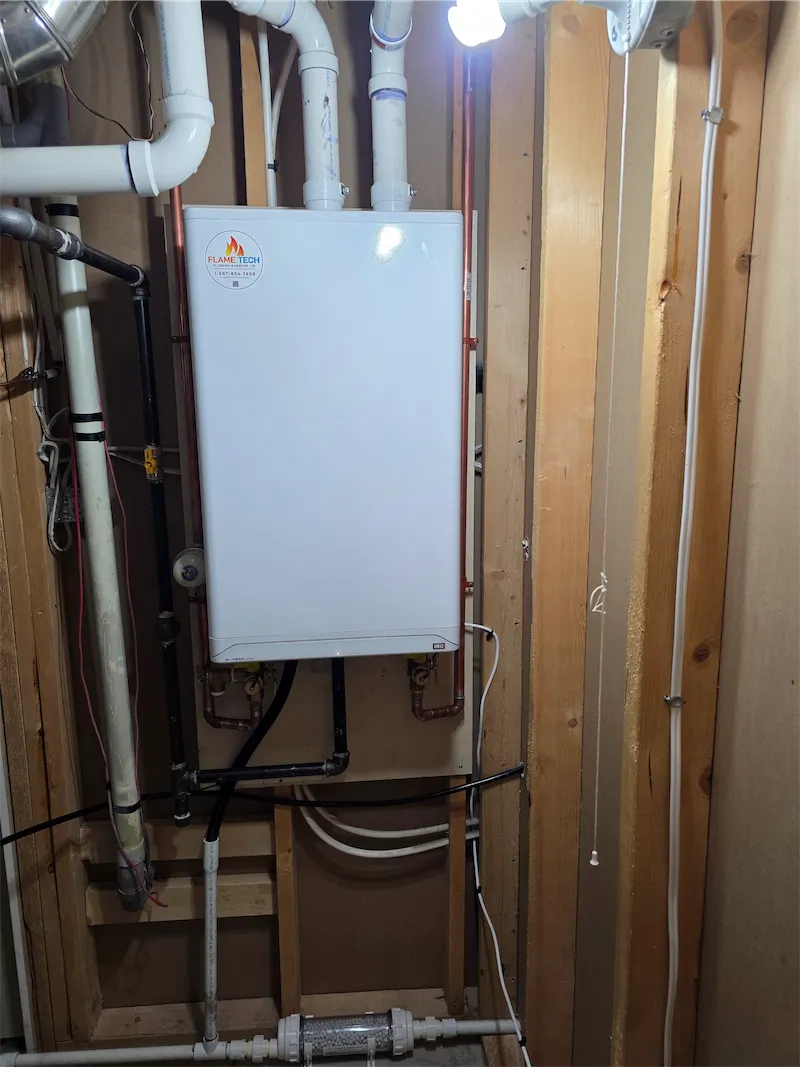

Tankless Water Heaters Airdrie — Navien, Rinnai, IBC Install + Service
Endless hot water, 20-year lifespan, and a wall-mounted footprint sound great — but tankless is the right call for some Airdrie homes and the wrong call for others. We install Navien, Rinnai, and IBC, walk through the tank-vs-tankless trade-off honestly before quoting, and dispatch locally from Coopers Crossing so service times are short.
Three scenarios drive most of these calls: replacing an aging tank with a tankless upgrade (the most common path), specifying tankless from the design phase on a new build or major renovation, and fitting a compact wall-mounted unit into a basement suite or secondary suite where floor space is tight. We handle all three with permits, gas-line sizing, venting, and code-compliant condensate routing.
Tankless costs more up front, demands annual descaling to keep manufacturer warranties valid, and derates noticeably in deep winter when groundwater hits 4°C. If a tank fits your home better, we'll tell you so — see hot water tanks Airdrie for that path or the broader tankless explainer for the full comparison.
Jason lives in Coopers Crossing, so service across Ravenswood, Reunion, and the rest of the city is local — not a Calgary-based crew billing extra to drive north. Call 587-834-3668.
Planning a tankless install or replacing an aging tank? Call 587-834-3668 for a free in-home assessment — written quote with the honest tank-vs-tankless comparison upfront.
Call 587-834-3668What we install and service
Common configurations. We talk through trade-offs before quoting — brand, condensing vs non-condensing, combi vs DHW-only (domestic hot water only, no space heating), recirculation, and gas-line capacity.
Navien NPE-A / NPE-S — most common install
Condensing high-efficiency units. NPE-A includes a built-in recirculation buffer tank; NPE-S does not. Strong 15-year heat-exchanger warranty when registered and descaled annually. Common sizes: NPE-A 240 (240,000 BTU, 7.5 GPM at 35°F rise — meaning 7.5 gallons per minute when raising water temperature 35 degrees) for 3-4 person households; NPE-A 199 or 180 for smaller homes and suites.
Rinnai RU / RUR — premium alternative
Condensing, quieter than Navien, slightly higher cost. RUR includes a built-in recirculation pump for instant hot water at distant fixtures. Common size: RU199 or RUR199 (199,000 BTU) for typical homes.
IBC SL series — combi capability
Combi units heat both the house and the domestic hot water from one appliance. Best fit for homes converting from boiler to combi, new builds where mechanical-room space is tight, and modest-load in-floor radiant systems.
Tank-to-tankless retrofit
Old tank at end of life, owner wants endless hot water and longer lifespan. We size the gas line (most homes need 3/4" upsized to 1"), install sidewall direct-vent, route the condensate drain through heated space, wall-mount the unit, and commission. Typical retrofit: 1-2 days depending on gas line and vent complexity.
Combi setup
Best for homes with modest heat-load, basement suites, and renovations where mechanical-room space is at a premium. Hard water hits the hot-water heat exchanger especially hard on these, so the descaling and softener-pairing recommendations matter even more.
Recirculation loop for instant hot water
Without recirculation, you wait 5-30 seconds for hot water at a faucet depending on the distance from the unit. A recirculation loop adds a small pump and a dedicated return line so hot water is available instantly at every fixture. Common upgrade in larger homes where the tankless is far from the master bath or kitchen.
Annual descaling service
Pump a citric-acid descaler through the heat exchanger for 30-45 minutes to dissolve mineral buildup. Best done late summer or early fall before peak winter demand, paired with a filter clean and flame-sensor check. Skipping this voids most manufacturer warranties.
Tankless repair on every brand
Error codes (Navien E03 flame failure, Rinnai code 11, IBC heat-exchanger overheat), lukewarm output (DHW heat-exchanger scaling), no hot water (gas supply, ignition, control board), and the classic cold-snap frozen-condensate lockout. Diagnose first, then quote. Most repairs finish first visit with common parts on the truck.
Tankless vs tank: how to decide
Four sentences that cover most decisions. The honest version of the comparison most marketing pages skip.
Choose tankless if…
You have multiple bathrooms or run back-to-back showers; you're planning to stay 7+ years (the higher install cost amortizes); space is tight and a wall-mounted unit helps; you'll commit to annual descaling and likely a softener.
Choose a tank if…
Upfront budget matters more than 20-year math; you're 3-5 years from selling; you don't want a mandatory maintenance schedule; or your demand pattern is modest enough that a 50-gallon tank with good recovery rate already keeps up.
Cold-inlet caveat for either choice
Groundwater here is 4°C in mid-winter. Tankless GPM ratings assume a 35°F temperature rise, but reaching 49°C output from a 4°C inlet is roughly an 80°F rise — real-world winter flow is 50-60% of nameplate. A tank's stored 50 gallons doesn't care. We size accordingly; usually that means going one model size up from a generic calculator's recommendation.
Hard-water reality decides long-term value
Tankless heat exchangers scale fast on Calgary-regional water — failure inside 5-7 years without intervention. With annual descaling and a softener upstream, 20+ years is realistic and the lifecycle math beats a tank. Without that maintenance commitment, tank is the safer choice.
Local details that shape a good install
Climate, water, and gas infrastructure decide what makes a good install vs a barely-functional one.
Condensate routing for −35°C winters
Airdrie shares Calgary's design temperature but sits more exposed on open prairie, so condensate lines need extra care. The small PVC drain on a condensing tankless freezes fast if any section routes through unheated space or exits outdoors without heat trace. We route through heated space and add heat trace where outdoor exit is required.
Power-vent sidewall is the standard
Tankless units vent horizontally through a sidewall, not vertically through a chimney. Concentric direct-vent (intake and exhaust in one pipe) or twin-pipe configurations. Vent terminations clear of windows, fresh-air intakes, and operable openings per code.
Build-era matters for retrofit complexity
Pre-2000 homes in older Coopers Crossing, Big Springs, Meadowbrook, and Edwards Landing often need smaller gas lines upsized and may have chimney-vented water heating that needs converting. Post-2010 builds in Bayside, Williamstown, Hillcrest, Kings Heights, and Chinook Gate generally retrofit cleanly. Earliest 1990s phases may also have Poly-B supply — we identify during the assessment. See Poly-B replacement.
Basement suites are a common fit
Suites in older Coopers Crossing and Ravenswood phases work well with smaller-capacity tankless models (NPE-A 180 or RU160). Compact wall-mount, direct-vent through the sidewall, endless hot water for a single-bathroom suite.
Coopers Crossing dispatch
Most companies serving Airdrie drive in from Calgary. Jason's based locally, so response times are short and pricing matches anywhere else in our service area.
How an install runs
Typical 1-2 day install for a tank-to-tankless retrofit. New-build installs are coordinated with broader plumbing rough-in.
1. In-home assessment and sizing
Check household demand (fixture count, simultaneous use, hot-water habit), available wall space, gas line size and run length, vent termination options, and condensate drain options. Run a real GPM calculation against winter inlet temps.
2. Written quote with the comparison
Walk through trade-offs for your specific home. If a tank fits better, we quote that instead. If tankless is the right call, the quote covers unit, gas-line work, venting, condensate, permits, and removal of the old tank. Softener pairing is quoted separately as a recommendation.
3. Prep work
Pull plumbing and gas permits. Upsize the gas line where required (most retrofits). Run the new vent path through the sidewall to code clearances. Route condensate drain through heated space to a floor drain or condensate pump. Run 120V power to the unit location.
4. Remove tank, mount and plumb tankless
Drain and recycle the old tank. Mount the tankless on the wall with manufacturer clearances. Connect water lines with isolation valves for future descaling, gas, condensate, vent, electrical, and control wiring. Add the recirculation pump and dedicated return line if recirculation was specified.
5. Commissioning
Pressure-test the gas line, fill the water side and bleed air, power on, set output temperature to 49°C (Alberta code recommendation), configure recirculation schedule and high-altitude adjustment if needed. Run a hot-water draw at the most distant fixture to verify performance.
6. Walkthrough and warranty registration
Walk through expected behavior (modern tankless uses electronic ignition — no standing pilot), error-code basics, and the annual descaling schedule. Register the unit with the manufacturer for warranty (Navien 15-year heat exchanger, Rinnai similar). Schedule code inspection if required.
Tankless FAQs
Is a tankless water heater worth it here?
Depends on the home. Tankless wins on endless capacity, 20+ year lifespan, space savings, and lifecycle cost. Tank wins on lower upfront cost, simpler maintenance, and a better cold-inlet performance margin. The hard-water reality means tankless requires annual descaling and ideally a softener to keep warranties valid. We walk through the comparison before quoting.
Are you local, or driving in from Calgary?
Local. Jason lives in Coopers Crossing, so service across the city is short-response — no Calgary-side drive time and no out-of-town surcharge.
How long does a tankless last?
With annual descaling and a softener, 20+ years is realistic. Without descaling, the heat exchanger can fail in 5-7 years. The longevity advantage over tanks (8-10 year average locally) depends entirely on the maintenance commitment.
Which brand is best?
Navien NPE-A is the workhorse — reliable, well-supported by regional parts distributors, strong warranty when registered and maintained. Rinnai RU/RUR is the premium alternative, quieter, slightly higher cost. IBC SL is the right call when combi (space heating + hot water from one unit) is needed.
Do I really need to descale every year?
Yes. The hard-water profile here is rough on tankless heat exchangers — without descaling, expect capacity loss, error codes, and eventual failure inside 5-7 years. We carry descaler kits on every tankless service call.
Will my existing gas line work?
Usually no. Most homes here have 3/4" lines sized for a 40,000 BTU tank — a tankless typically needs 200,000+ BTU, which means upsizing to 1" (sometimes 1-1/4" for larger units or long runs). Gas-line upsize is part of most retrofits. We size correctly and pull permits.
Why does my tankless lock out in deep cold?
Almost always a frozen condensate line. The acidic condensate drain on a condensing tankless freezes fast if any section routes through unheated space or exits outdoors. Permanent fix: reroute through heated space and add heat trace where outdoor exit is required.
Should I get a softener with the install?
Strongly recommended — hard water is the leading cause of premature tankless failure. A properly-sized softener upstream extends life from 10-12 years (descaled only) to 20+ years (softened and descaled), and protects every other water-using appliance. See softener pairing.
What does tankless installation cost?
Most tankless installs run $5,400 to $6,500 as of September 2026 — roughly 2-3x a comparable tank install. Where you land depends on gas-line upsizing, vent complexity, and condensate routing. We quote in writing after the assessment. If a tank is the better economic answer for your situation, we'll tell you. Monthly financing available via Financeit.
Can I retrofit a tankless into my existing home?
Almost always yes, with caveats. Pre-2000 homes typically need gas-line upsize, a new sidewall vent path, condensate drain run, and sometimes electrical work. Post-2010 builds generally retrofit cleanly. We assess in-home and quote the full scope upfront.
What's a combi unit?
Combi units heat both domestic hot water and the home's space heating from a single appliance — replacing a separate tank and boiler. Best fit for homes with modest heat-load, basement suites, and mechanical-room-constrained installs. The hot-water heat exchanger sees the same hard-water exposure as the rest of the system, so annual descaling matters.
Are you available for emergency repair?
Yes. No hot water gets same-day dispatch. Real person on the phone — we'll triage from the error code and confirm a window. Most diagnoses finish in 30 minutes; many repairs (descale, flow sensor, igniter, control board) finish first visit with common parts on the truck.

Monthly Financing Available
Spread the cost into manageable monthly payments.
Spread the cost of a tankless install into monthly payments via our Financeit partner.
Simple, honest, on your schedule.
Call or request a quote
Tell us what's going on. We listen first and ask the right questions before we schedule anything.
Free written estimate
We assess the job and give you an all-in price in writing. No pressure, no surprise add-ons.
Schedule at your convenience
Pick a day and window that works for your home — we'll confirm dispatch and arrival time.
Clean, code-compliant service
Licensed technicians complete the work to Alberta code, clean up, and walk you through what we did.
Also under Water
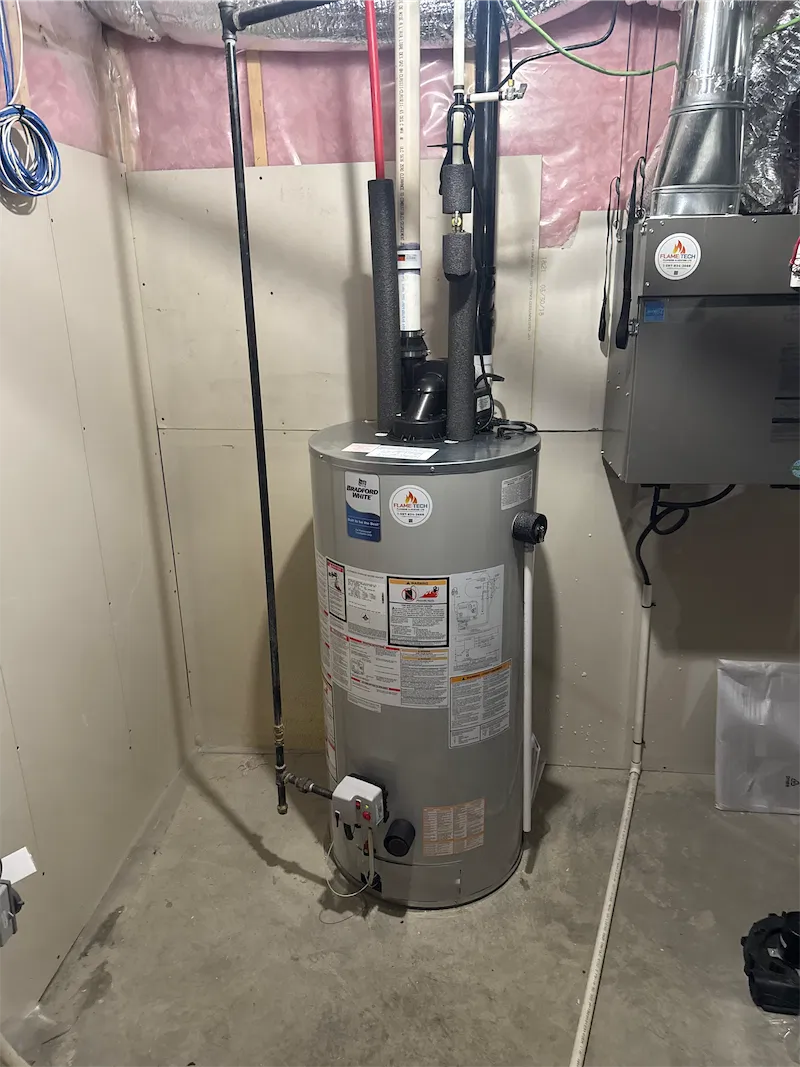
Hot Water Tanks Airdrie | Professional Installation & Repair Services
Airdrie's hard water and temperature swings are brutal on hot water tanks. FlameTech's technicians have replaced hundreds of tanks in Airdrie neighborhoods, from Coopers Crossing' newer builds to established areas where original tanks are hitting the 12-year mark. When your tank starts leaking or you're running out of hot water, our Airdrie plumbers know exactly what's wrong and how to fix it.
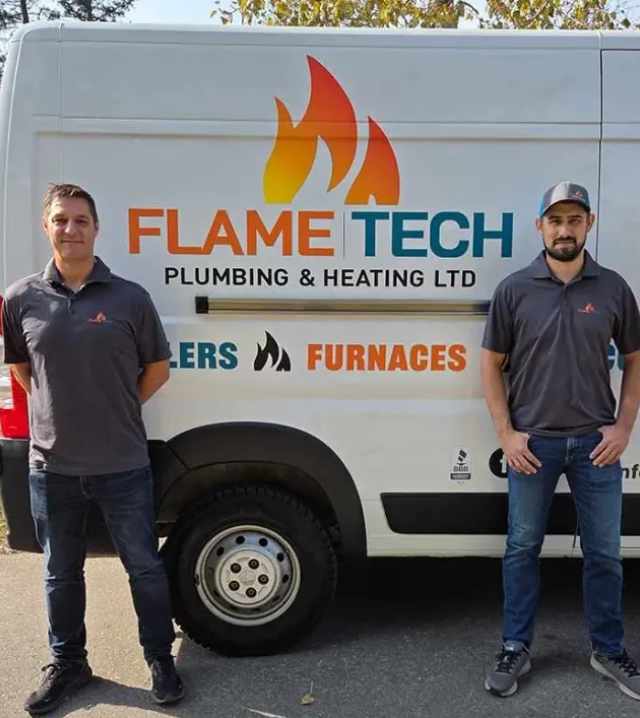
Water Heater Repair in Airdrie
Water heater repair across Airdrie on gas, electric, and tankless units — with a genuinely local advantage. Most Airdrie water heater calls get dispatched in from Calgary, adding drive time and sometimes an out-of-town surcharge. Jason is based right here in Coopers Crossing, so when your hot water's out, you're not waiting on a truck crossing the city.
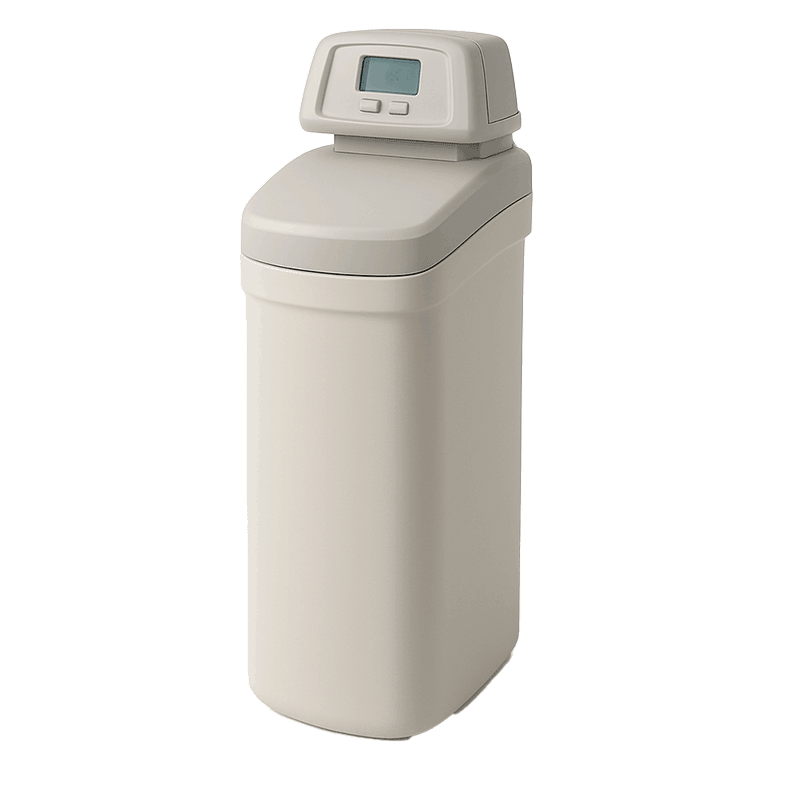
Water Softener Installation Airdrie — Sized, Installed, Explained
Airdrie and Calgary share the same treated supply, and it is hard enough to scale a water heater, shorten fixture life and put a film on everything you wash. A properly sized softener fixes that permanently. A badly sized one runs constantly, eats salt, and wears out years early — which is why sizing is the part of this job worth getting right.
Where we cover Airdrie.
Local dispatch from Coopers Crossing across every Airdrie neighbourhood. Find your area for build-era notes, hard-water patterns, and the systems we see most.
Also covering nearby Chestermere, Cochrane, and Carstairs.
Get a free Airdrie tankless water heater quote.
Tell us what's going on and our dispatch team will call you back with pricing and availability.
Book a Red Seal plumber in Airdrie.
Free estimates, upfront pricing, and a satisfaction guarantee — local technicians who treat your home like their own.
Free estimate · No service charge for quotes · BBB Accredited