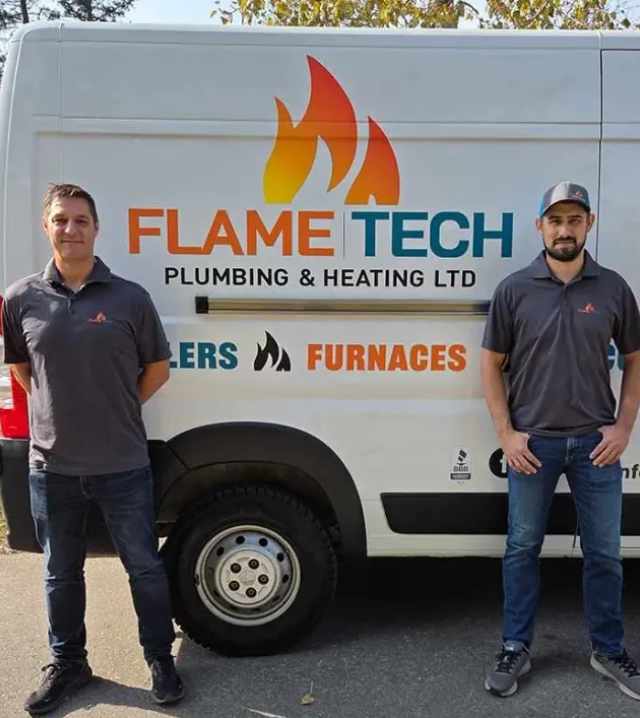

Backwater Valve Installation in Calgary
A backwater valve is the one device that stops a city sewer backup from flooding your basement with sewage. When Calgary's sewers overload in a heavy storm or spring melt, the valve closes automatically and keeps what's in the main from coming back up your line. FlameTech installs and inspects them across Calgary — permit and inspection handled.
This is not the same job as a sump pump. A sump pump handles groundwater seeping in through your foundation and weeping tile. A backwater valve handles the other flood risk entirely — municipal sewage pushed backward into your home when the city system can't keep up. Many Calgary homes, especially in the areas hit in June 2013, need both, and we can assess and install both together.
The valve goes on your main sewer line, sits open so waste flows out normally, and snaps shut the instant sewer-side pressure tries to reverse. Installed right — accessible for the annual check, sealed to code, inspected by the City — it's the cheapest insurance there is against the single most destructive and disgusting way a basement floods.
Free on-site assessments across Calgary and Airdrie. Call 587-834-3668. Monthly financing available on larger jobs.
Basement flooded with sewage in a Calgary storm — or want to make sure it never does? Call 587-834-3668 for a backwater valve assessment.
Call 587-834-3668“Shaun is a very professional, careful and experienced plumber who always makes a consistent effort to respond quickly to service requests.”

Jan Drader
Calgary · 9 months ago
What a Backwater Valve Actually Does
It's a one-way gate on your main sewer line. Understanding that one idea tells you everything about when you need one.
Normally open
In everyday use the valve sits open and your household waste flows out to the city sewer exactly as it always has. You'd never know it's there.
Closes on reverse flow
When the municipal sewer overloads — a heavy storm, rapid snowmelt, a main downstream that can't keep up — sewage tries to flow backward, toward your house. The valve's flapper snaps shut against that reverse flow and holds the line closed until the pressure drops.
What it protects against
The worst basement flood there is: raw municipal sewage backing up through your floor drains, laundry standpipe, and lowest fixtures. It's destructive, it's a biohazard, and cleanup and replacement of finished space runs into serious money. The valve is the defence.
What it does not do
It does nothing about groundwater seeping through your foundation walls or weeping tile — that's the sump pump's job. If your basement gets damp or floods without any sewage involved, you need a sump system, not (or as well as) a backwater valve.
Why Calgary Basements Need This
Sewer backup isn't a rare freak event here — Calgary's hydrology and infrastructure make it a live risk for a lot of homes.
The June 2013 flood put sewer backup on every Calgary homeowner's radar. A great many homes in the affected SE and inner-city areas did backwater valve retrofits afterward, and it remains the City's front-line recommendation for basement flood protection.
Calgary's clay soil drains slowly and chinooks can melt a snowpack in a day or two, so spring runoff and sudden storms dump water into the sewer system faster than it can move it. That's exactly the condition that pushes a main into reverse.
Older inner-city neighbourhoods sit on aging sewer lines, some on combined storm-and-sanitary systems where a big rain overwhelms the whole line at once — the highest-risk setup for a backup.
Insurers increasingly ask about backwater valves, and some tie sewer-backup coverage or premiums to having one. If your insurer has raised it, that's a strong signal your address carries the risk.
The City of Calgary has run flood-protection incentive programs in the past that included backwater valve retrofits. Eligibility and amounts change, so check the current program on calgary.ca before you count on it — we'll point you to it, but we won't quote a rebate figure that might be out of date.
Backwater Valve or Sump Pump? (You Might Need Both)
This is the question we field most, and getting it right saves you from paying for the wrong protection. The two devices solve two completely different floods.
Backwater valve = sewer backup
Protects against municipal sewage reversing into your home through the main sewer line when the city system overloads. The water comes up through floor drains and low fixtures. The fix is a one-way valve on the main line.
Sump pump = groundwater
Protects against groundwater rising through your foundation and weeping tile — the water that collects in a sump pit and has to be pumped out and away from the house. See our sump pump installation page for that side.
How to tell which you had
If the water that flooded you was clean-ish and came up around the floor or foundation, that's groundwater — a sump problem. If it was foul, came up through a floor drain, and coincided with a big storm hitting the whole neighbourhood, that's a sewer backup — a backwater valve problem.
Many Calgary homes need both
Groundwater and sewer backup are independent risks, and plenty of properties — particularly in the post-2013 retrofit areas — face both. We assess both on one visit, quote each separately, and install them together so you're not paying for two mobilizations.
Retrofitting Into a Finished Basement
Most Calgary backwater valve installs aren't new builds — they're retrofits into homes that have already flooded once, or homeowners getting ahead of it. That changes the job.
The valve has to go on the main sewer line, which usually runs under the basement slab. A retrofit means cutting and lifting a section of concrete, installing the valve, backfilling, and patching the slab — more involved than a new build where the line is still exposed.
Location matters more than in a new build. We use the camera to place the valve where it's genuinely accessible for its annual inspection, not just wherever the slab is easiest to open. A valve you can't service is a valve you can't trust.
We contain the mess and the dust as much as a slab cut allows, and we leave you with a clean, code-compliant access cover — not a rough patch you have to live with.
If the basement has already flooded, we scope the whole sewer line while we're in there. A backup sometimes exposes an underlying line problem (roots, a bad joint, a sag) that's worth knowing about before the new valve is buried over it.
Calgary Backwater Valve FAQs
What does a backwater valve cost to install in Calgary?
It depends mostly on access. Installing into an exposed line during a renovation is the cheaper end; retrofitting into a finished basement — cutting the slab, installing, backfilling, patching, permit, and inspection — is a bigger job.
We don't quote it over the phone, because the number turns on what the camera finds and how your basement is built. We come out, scope the line, and give you a written quote with the full scope in it. Financing is available if you'd rather spread a retrofit over monthly payments.
What's the difference between a backwater valve and a sump pump?
They protect against two different floods.
A backwater valve stops municipal sewage from reversing into your basement through the main sewer line when the city system overloads in a storm or melt. The water comes up through floor drains and low fixtures, and it's foul.
A sump pump handles groundwater — clean-ish water seeping through your foundation and weeping tile, which collects in a pit and gets pumped away. See our sump pump installation page.
They're independent risks, and a lot of Calgary homes — especially in the post-2013 areas — need both. We assess and install both on one visit.
Do I actually need a backwater valve?
You're a strong candidate if any of these apply: your basement has ever backed up with sewage during a storm; you're in an inner-city or SE area hit in the 2013 flood; your home is on an older combined storm-and-sanitary sewer; or your insurer has asked whether you have one.
The honest test is what kind of water you're exposed to. If the risk is the city sewer reversing into your home, a backwater valve is the answer. If it's groundwater, that's a sump pump. We'll assess which — or both — before recommending anything, and we won't sell you a valve for a problem you don't have.
How does a backwater valve work?
It's a one-way gate on your main sewer line. In normal use it sits open and your waste flows out to the city sewer as usual.
When the municipal sewer overloads and sewage tries to flow backward toward your house, the pressure pushes the valve's flapper closed. It seals the line against the reverse flow and holds until the sewer-side pressure drops, then reopens on its own. No power, no electronics — it's mechanical, which is exactly why it's reliable when the storm has also knocked out your power.
Do I need a permit for a backwater valve in Calgary?
Yes. Installing a backwater valve on your sewer line in Calgary requires a plumbing permit and a City inspection. FlameTech pulls the permit and books the inspection as part of the job — you don't need to deal with the City yourself.
Does a backwater valve need maintenance?
Yes, and it's the part most people forget. The flapper and seal need to be checked and cleared roughly once a year — debris or a worn seal can stop the valve closing fully, and a valve that doesn't close is no protection at all.
That's why we install with an accessible cover and do the annual inspection for you. A backwater valve you can't get to, or never check, is a false sense of security.
Is there a City of Calgary rebate for backwater valves?
The City has run flood-protection incentive programs in the past that included backwater valve retrofits, but eligibility and amounts change from year to year.
Rather than quote you a figure that might be out of date, we'll point you to the current program on calgary.ca so you can check what's actually available for your address today. Your home insurer is also worth asking — some offer premium considerations for having a valve installed.
Can you install a backwater valve if my basement is already finished?
Yes — most of our Calgary installs are exactly that. The valve goes on the main sewer line under the slab, so a finished-basement retrofit means cutting and lifting a section of concrete, installing the valve, backfilling, and patching, with a clean access cover left for the annual check.
It's more involved than a new build, but it's routine work for us. We scope the line first with a camera to place the valve where it can actually be serviced, and we contain the dust and mess as much as a slab cut allows.
Protect the whole basement.
Sewer backup is one of two flood risks. These pages cover the rest — and if you're not sure which you have, call 587-834-3668.
Sump Pump Installation
The other half — groundwater protection: primary pumps, battery backup, discharge routing.
See serviceEmergency Plumbing
Actively flooding right now? Emergency repairs for backups and burst lines.
See serviceDrain Cleaning
Recurring backups from roots or blockages — camera inspection and clearing before it floods.
See serviceBasement Floods Every Time It Rains
The five Calgary causes of a wet basement, diagnosed cheapest-first before you spend a dollar.
See service
Monthly Financing Available
Spread the cost into manageable monthly payments.
Spread the cost of a backwater valve retrofit into flexible monthly payments via our Financeit partner.
Simple, honest, on your schedule.
The device is simple. Putting it in the right place, on sound pipe, so it works for twenty years and can still be inspected — that's the part worth doing properly.
Assess the real risk
We work out which flood you're actually exposed to. Sewer backup (city main reversing) needs a backwater valve; groundwater (foundation seepage) needs a sump system; plenty of Calgary homes have both risks. We won't sell you a valve for a problem you don't have.
Camera the sewer line
We scope the main line to find the right location for the valve — accessible for its annual check, on sound pipe, at the correct fall. This also catches any existing sewer-line problems before they're buried under a new valve.
Install + permit + inspection
We cut in the valve on the main sewer line, seal it to Alberta plumbing code, and set it with an accessible cover. The plumbing permit and the City inspection are ours to handle.
Show you how it works
We walk you through the access cover, how the flapper seals, and what the annual check looks for — then book that first inspection so the valve is still protecting you years from now.
Also under Plumbing
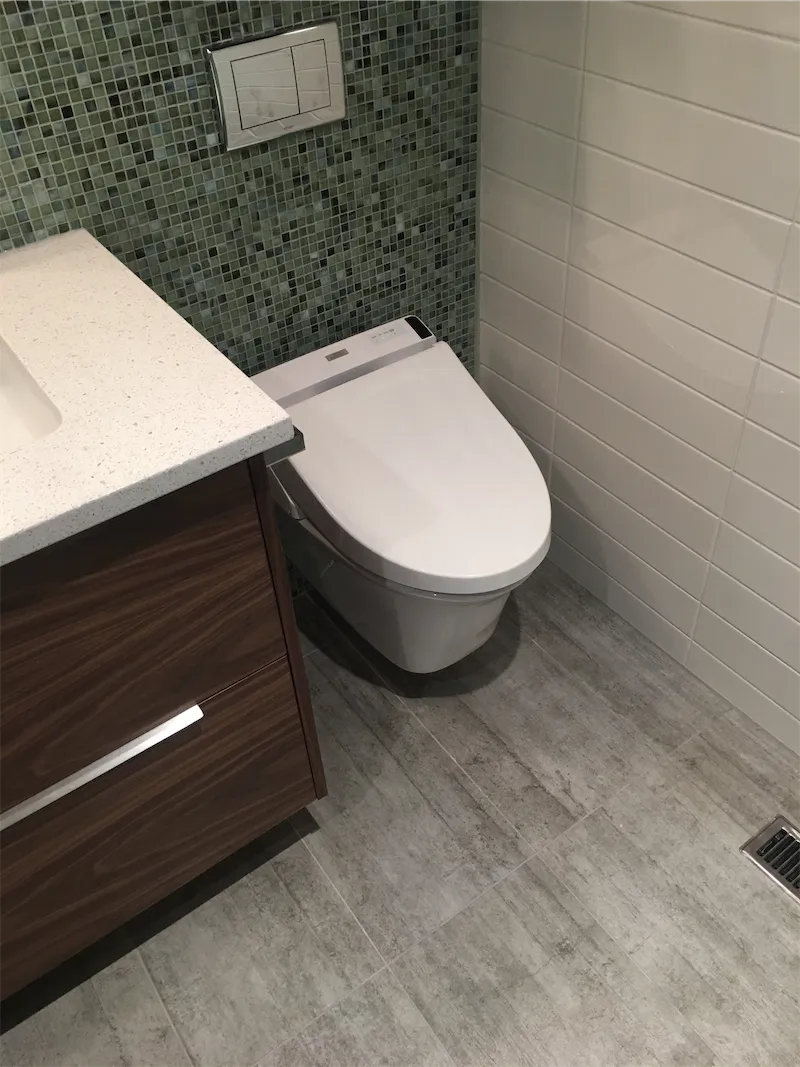
Bathroom Plumbing Calgary | Professional Bathroom Services
Calgary's hard water and extreme temperature swings wreak havoc on bathroom plumbing — we see it every day. FlameTech's bathroom plumbing specialists handle everything from emergency burst pipes in older Mount Royal homes to complete bathroom renovations in new Evergreen developments.
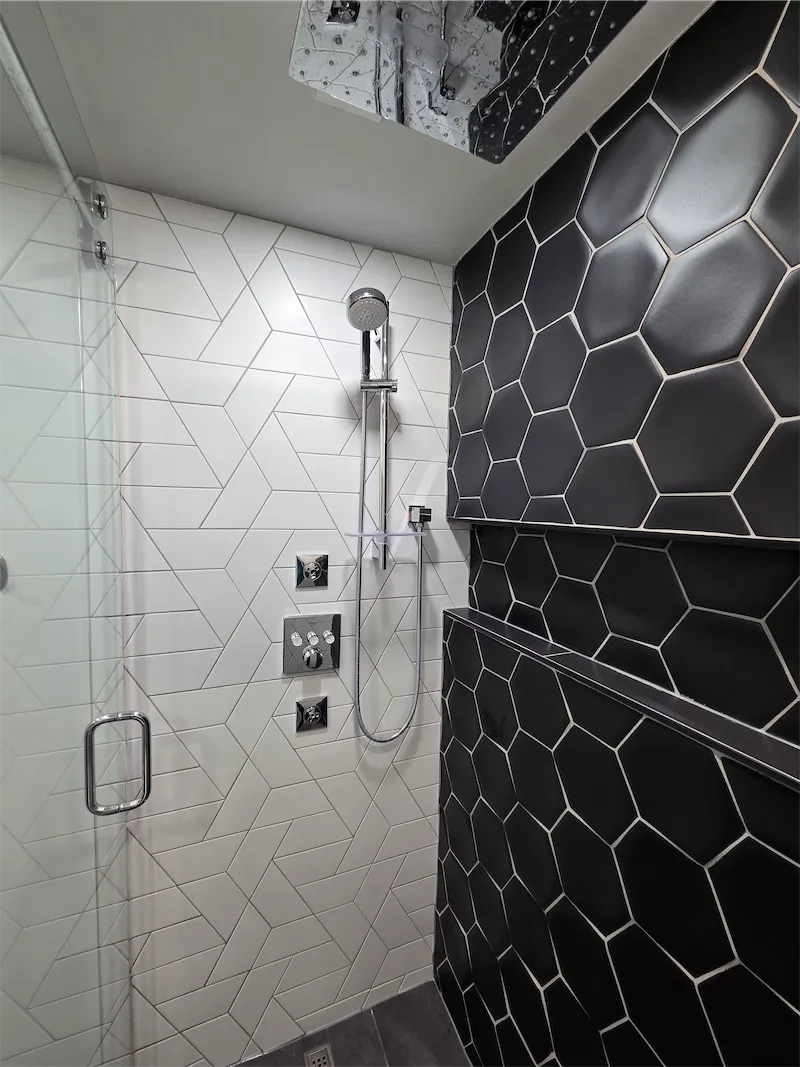
Shower Plumbing Calgary | Expert Shower Installation & Repair Services
Calgary's unpredictable weather puts stress on every part of your plumbing system, but nothing's more frustrating than stepping into a cold shower on a -30 morning. FlameTech's shower plumbing specialists fix pressure problems, temperature swings, and complete shower failures across Calgary.
Toilet Installation in Calgary — Standard, Comfort-Height & Wall-Hung
Most toilet installs are 1-2 hours and look the same on the surface — but how the flange, supply line, and wax ring are handled is the difference between a 15-year toilet and a leak in 18 months. FlameTech installs Toto, Kohler, American Standard, and any owner-supplied unit with a fresh wax ring, supply line, and shutoff every time.
Where we cover Calgary.
We dispatch from Calgary and Airdrie. Find your neighbourhood for area-specific notes on common builds, hard-water patterns, and the systems we see most.
Get a free backwater valve quote.
Tell us what's going on and our dispatch team will call you back with pricing and availability.
Book a Red Seal plumber in Calgary.
Free estimates and upfront pricing, from local technicians who treat your home like their own.
Free estimate · No service charge for quotes · BBB Accredited