

Frozen Pipe Repair Calgary — Thawing, Burst Repair & Prevention
A frozen pipe is a problem you still have time to solve. A burst one is a problem measured in litres per minute. FlameTech thaws frozen lines safely, repairs the ones that have already split, and fixes the reason it happened so you're not doing this again next January.
The thing most Calgary homeowners don't know: a pipe usually doesn't burst where the ice is. It bursts between the ice plug and a closed tap downstream, where water has nowhere to go as pressure builds. That's why opening the tap is the first thing we tell people to do on the phone — it gives that pressure an escape route while you wait for us.
The other thing worth knowing is that the damage often shows up on the thaw, not the freeze. A line can split at −30°C and stay sealed by its own ice until a chinook rolls through, at which point it starts running inside a wall. If your pipes froze and then everything seemed fine, that's not necessarily the end of it.
We handle the urgent side — locating the freeze, thawing it safely, and repairing splits — and the part that actually matters afterwards: why that pipe froze and what stops it recurring. See also emergency plumbing if water is already moving. Call 587-834-3668 and a real person answers.
Pipe frozen, or already split? Open the tap, find your main shutoff, and call 587-834-3668.
Call 587-834-3668
What to do right now
Two different situations, two different responses. Work out which one you have first.
No water, but nothing is leaking — it's frozen
Open the tap that pipe feeds and leave it open. That relieves the pressure between the ice and the fixture, which is where a burst actually happens, and it tells you the second flow comes back. Turn the heat up in that part of the house, open any cabinet doors under sinks on exterior walls, and call us. Gentle heat from a hair dryer or a space heater aimed at the suspect area is fine. A torch is not.
Water is running where it shouldn't — it's burst
Shut the water off at the main immediately, then open a low tap to drain the system and stop the pressure. If water is anywhere near electrical outlets or a panel, don't go into it — leave it and tell us when you call. Then call 587-834-3668. Everything after that is faster if the water has already stopped.
Pipes froze earlier and now seem fine
Worth checking rather than assuming. A split can stay sealed by its own ice and only start running when it thaws — sometimes days later during a chinook. Look at the ceiling below, the rim joist, and anywhere the run passes through an unheated space. If you find damp drywall or a stain, that's the split.
Where Calgary pipes actually freeze
It's rarely random. Nearly every frozen pipe we're called to is in one of these places, and each has a different permanent fix.
Cantilevered bump-outs
The single most common one we see. A kitchen sink or a bathroom on a floor section that overhangs the foundation or projects over a garage has cold air underneath it on three sides. Builders insulate these to code and cold still finds its way in. The fix is air sealing the cavity properly, not just adding more insulation.
Outdoor faucets and hose bibs
Frost-free sillcocks are designed to drain back so the shut-off sits inside the heated envelope — but they can't drain if a hose is still attached. A hose left on over freeze-up is the most preventable frozen-pipe call there is, and it usually splits the sillcock body inside the wall where you won't see it until spring.
Rim joist and exterior wall runs
Supply lines routed through an exterior wall cavity or along a rim joist sit on the cold side of the insulation. Where a run can be moved to the warm side, that's the permanent answer. Where it can't, insulation has to go between the pipe and the cold, not wrapped around it and left facing the room.
Crawlspaces, garages and unheated utility spaces
Vented crawlspaces and lines run through an attached garage lose heat fast in a deep cold snap. Closing crawlspace vents for winter, sealing where cold air enters, and in some cases heat trace on the vulnerable section is what keeps them running.
Vacant homes and homes with the heat turned down
Every winter we get calls to properties where the furnace failed or the heat was set too low while the owners were away. If a house will be empty in winter, the heat stays on at a sensible minimum, and someone checks it. A furnace that quits on day two of a two-week trip is a very expensive way to save on gas.
Behind the wall, with no obvious clue
Sometimes the run isn't accessible and there's no visible sign. We use the same non-destructive approach we use for hidden leaks — reading the layout, thermal imaging, and working from what does and doesn't have flow — so we open the smallest section we can rather than searching by demolition.
How we thaw and repair
The thawing part is straightforward when it's done properly. Done badly it starts fires or turns a frozen pipe into a burst one.
- 01Locate the freeze first — thawing the wrong section wastes time and doesn't restore flow.
- 02Open the downstream fixture so meltwater and pressure have an escape route throughout.
- 03Apply controlled heat from the fixture end back toward the blockage, so we're never trapping melt between two ice plugs.
- 04No open flame. Not on copper, and certainly not on PEX or near framing and insulation.
- 05Watch for the split as it thaws — if the pipe has already failed, it will show the moment flow returns, and the water needs to be off before that happens.
- 06Repair by replacing the failed section in copper or PEX-A, pressure-tested before anything gets closed up.
- 07Then the part that matters: air sealing, rerouting, insulation on the correct side, or heat trace so the same run doesn't do it again.
Does PEX freeze?
A question we get constantly, and the honest answer is more nuanced than either sales pitch you'll hear.
- 01PEX is more forgiving than copper. It can expand somewhat as water freezes inside it, so it survives some freezes that would split a copper line.
- 02It is not freeze-proof. Enough ice, enough pressure, or repeated freeze-thaw cycles will still fail it — and Calgary's chinooks deliver exactly that cycling.
- 03The fittings are often the weak point rather than the tubing, particularly where a run is rigidly clamped and has nowhere to expand.
- 04What actually prevents freezing is the same regardless of material: keep the pipe on the warm side of the insulation and stop cold air reaching it.
- 05So a PEX repipe is not a reason to skip the air sealing. It buys you tolerance, not immunity.
Preventing it before next winter
Almost every frozen pipe we attend was preventable, and most of the prevention is cheap. Worth doing in the fall rather than the middle of a cold snap.
- 01Disconnect garden hoses before freeze-up. This one item prevents more burst sillcocks than everything else combined.
- 02Shut off and drain the line to outdoor faucets where there's an interior isolation valve.
- 03Air seal the rim joist and any cantilevered floor cavity — cold air getting in is the actual cause, insulation alone only slows it.
- 04Insulate exposed pipe in crawlspaces, garages and unheated utility rooms, placing it between the pipe and the cold.
- 05Close crawlspace vents for the winter.
- 06During a deep cold snap, let a tap on an exterior wall run a slow trickle and open the cabinet doors beneath it.
- 07If the house will be empty, keep the heat on at a sensible minimum and have someone check it. Consider a water softener and general system check while the house is accessible.
- 08Find your main shutoff now and confirm it turns. Do it on a calm afternoon, not while water is coming through a ceiling.
Calgary Frozen Pipe FAQs
My pipe is frozen but hasn't burst. What should I do first?
Open the tap that pipe feeds, and leave it open.
That matters more than it sounds. A pipe usually doesn't split at the ice — it splits between the ice and a closed fixture downstream, where pressure has nowhere to go. Opening the tap removes that pressure, and it tells you the moment flow returns.
Then raise the heat in that area, open cabinet doors under any sink on an exterior wall, and apply gentle heat if you can reach the suspect section — a hair dryer or a space heater is fine. Never an open flame.
Call 587-834-3668 and we'll come and thaw it properly, then work out why it froze.
Why do frozen pipes burst?
Not for the reason most people assume.
Water does expand as it freezes, but the split usually isn't at the ice plug. As ice forms, it seals the pipe, and water trapped between that plug and a closed tap downstream has nowhere to go. Pressure climbs in that section until the weakest point fails — often well away from the actual freeze.
That's the whole reason we tell people to open the tap. It gives the trapped water an escape route and turns a likely burst into an inconvenience.
Can I thaw a pipe myself?
Sometimes, if you can reach it and you're careful.
Safe: a hair dryer, a heat gun on a low setting, a space heater aimed at the area, or warm towels. Always work from the tap end back toward the blockage so meltwater can escape rather than getting trapped between two plugs of ice. Keep the tap open the whole time.
Not safe, ever: a blowtorch or any open flame. It's a genuine fire risk in a wall cavity full of insulation and framing, and on plastic pipe it destroys the pipe outright.
If you can't reach the pipe, or the frozen section is inside a wall, that's the point to call rather than start opening drywall.
My pipes froze but nothing leaked. Am I in the clear?
Probably, but it's worth a look rather than an assumption.
A pipe can split while frozen and stay sealed by its own ice. The leak then starts when it thaws — sometimes hours later, sometimes days later when a chinook comes through.
Check the ceiling below the run, the rim joist, and anywhere the line passes through an unheated space. Damp drywall, a stain, or a musty smell is the sign. If you find one, shut the water off at the main and call.
Which pipes freeze most often in Calgary homes?
In order of how often we attend them: outdoor faucets where a hose was left connected, kitchen and bathroom lines in cantilevered bump-outs, supply runs inside exterior walls or along the rim joist, and lines through crawlspaces or attached garages.
The bump-out is the one that surprises people. A floor section overhanging the foundation, or projecting over a garage, has cold on three sides — and builders insulate them to code and they still freeze, because the real problem is air movement rather than insulation depth.
Vacant homes are their own category. A furnace that fails while you're away turns the whole house into the vulnerable section.
Does PEX freeze like copper does?
PEX is more forgiving than copper, but it isn't freeze-proof, and it's oversold as such.
PEX can expand somewhat as water freezes inside it, so it survives freezes that would split copper. What it doesn't survive is enough ice, enough pressure, or repeated freeze-thaw cycling — which is exactly what Calgary chinooks produce. The fittings are often the weak point rather than the tubing.
What actually prevents a freeze is identical for both materials: keep the pipe on the warm side of the insulation and stop cold air reaching it. A PEX repipe buys tolerance, not immunity, and it isn't a reason to skip the air sealing.
How do I stop it happening again?
By fixing the cause rather than the pipe, which is the part that gets skipped.
A pipe that froze once will freeze again in the same conditions unless something changes. Depending on what we find, that's air sealing where cold air is getting into the cavity, rerouting the run to the warm side of the insulation, insulating properly — between the pipe and the cold rather than wrapped and facing the room — or heat trace where there's genuinely no other route.
And before next winter: disconnect the hoses. That single habit prevents more burst outdoor faucets than everything else put together.
How fast can you get here if a pipe has burst?
Same day, and burst-pipe calls get routed ahead of scheduled work.
Before we arrive, shut the water off at the main and open a low tap to drain the pressure out of the system. If water is near electrical outlets or the panel, stay out of it and tell us when you call.
A real person answers at 587-834-3668, and we confirm a window before the truck rolls.
Simple, honest, on your schedule.
Call or request a quote
Tell us what's going on. We listen first and ask the right questions before we schedule anything.
Free written estimate
We assess the job and give you an all-in price in writing. No pressure, no surprise add-ons.
Schedule at your convenience
Pick a day and window that works for your home — we'll confirm dispatch and arrival time.
Clean, code-compliant service
Licensed technicians complete the work to Alberta code, clean up, and walk you through what we did.
Also under Plumbing
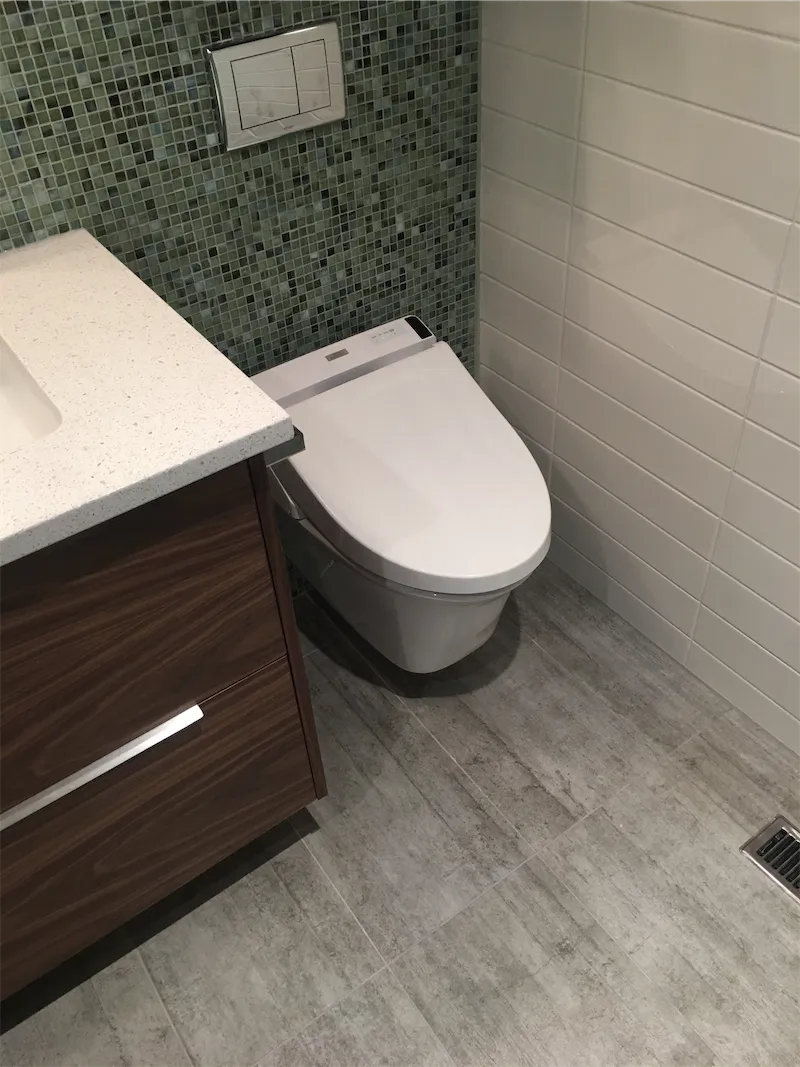
Bathroom Plumbing Calgary | Professional Bathroom Services
Calgary's hard water and extreme temperature swings wreak havoc on bathroom plumbing — we see it every day. FlameTech's bathroom plumbing specialists handle everything from emergency burst pipes in older Mount Royal homes to complete bathroom renovations in new Evergreen developments.
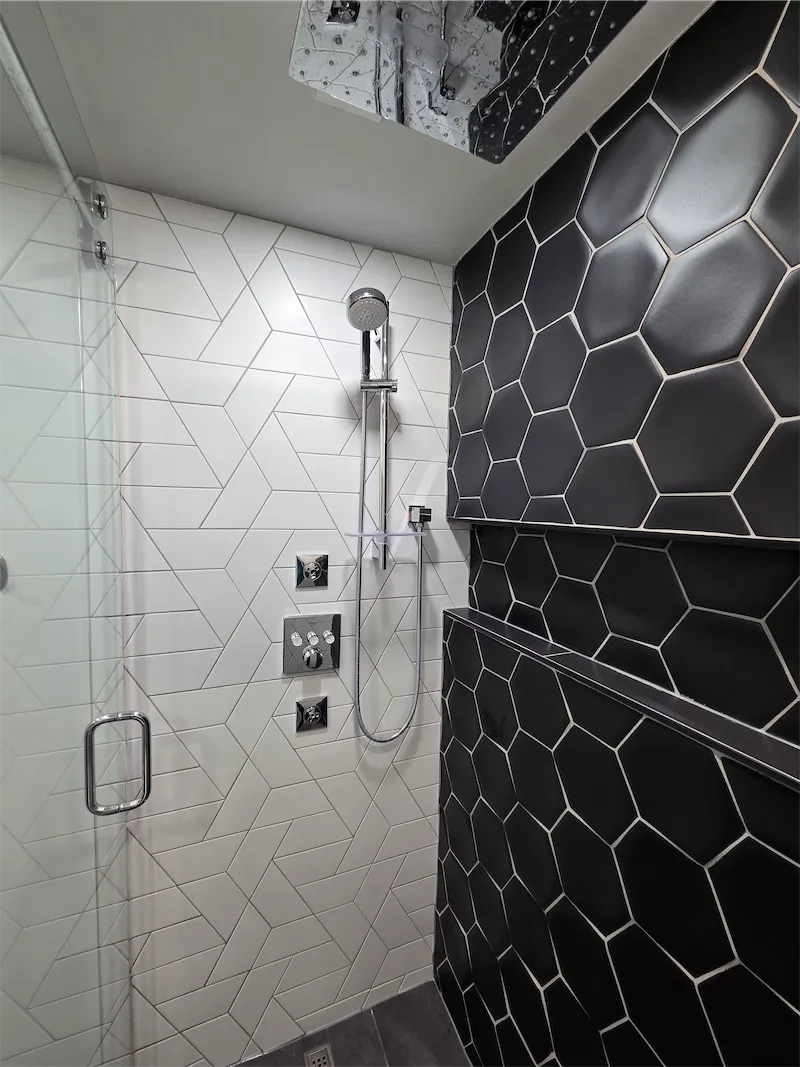
Shower Plumbing Calgary | Expert Shower Installation & Repair Services
Calgary's unpredictable weather puts stress on every part of your plumbing system, but nothing's more frustrating than stepping into a cold shower on a -30 morning. FlameTech's shower plumbing specialists have been fixing pressure problems, temperature swings, and complete shower failures across Calgary for over two decades.
Toilet Installation in Calgary — Standard, Comfort-Height & Wall-Hung
Most toilet installs are 1-2 hours and look the same on the surface — but how the flange, supply line, and wax ring are handled is the difference between a 15-year toilet and a leak in 18 months. FlameTech installs Toto, Kohler, American Standard, and any owner-supplied unit with a fresh wax ring, supply line, and shutoff every time.
Where we cover Calgary.
Same-day dispatch across Calgary and Airdrie. Find your neighbourhood for area-specific notes on common builds, hard-water patterns, and the systems we see most.
Get a free frozen pipe quote.
Tell us what's going on and our dispatch team will call you back with pricing and availability.
Book a Red Seal plumber in Calgary.
Free estimates, upfront pricing, and a satisfaction guarantee — local technicians who treat your home like their own.
Free estimate · No service charge for quotes · BBB Accredited